Mold Mitigation Service in Dallas, TX
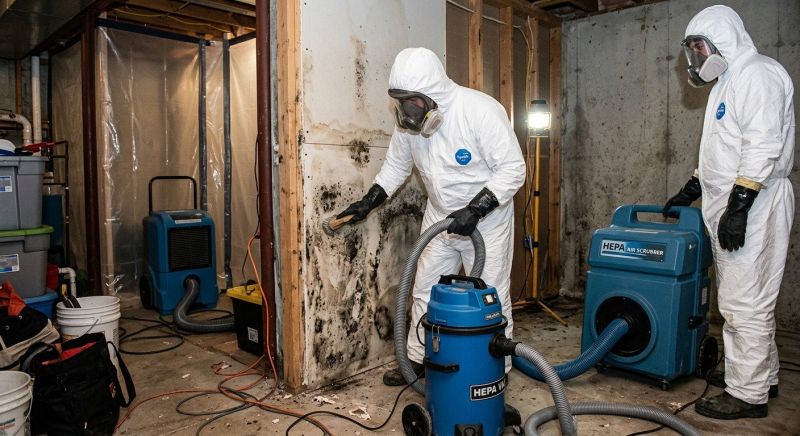
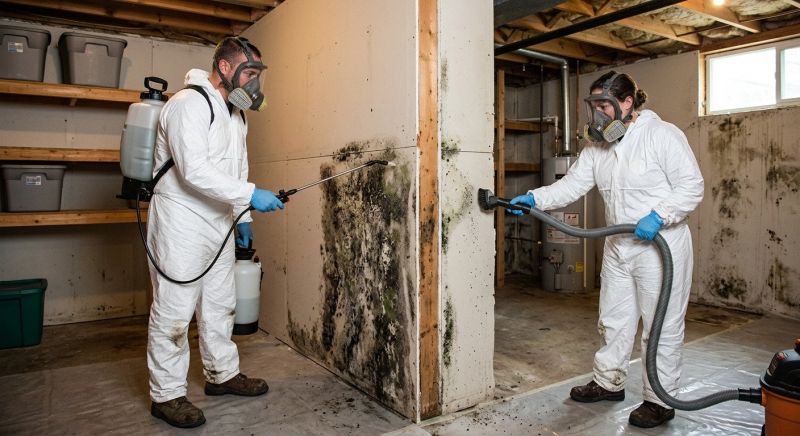
Mold mitigation services involve identifying and removing mold growth from residential properties to improve indoor air quality and prevent potential health issues. These services typically cover a range of projects, including mold removal from walls, ceilings, basements, attics, and HVAC systems. Property owners often seek mold mitigation after discovering visible mold or experiencing musty odors, especially in areas prone to moisture buildup such as bathrooms, kitchens, or areas affected by leaks or flooding.
Before requesting mold mitigation, homeowners usually want to understand the extent of mold presence, the types of materials affected, and the potential causes of moisture that promote mold growth. It’s important to consider whether the project involves surface cleaning or requires more extensive removal and remediation of contaminated materials. Proper assessment and planning can help ensure that mold is effectively eliminated and that underlying issues are addressed to prevent future growth.
Many property owners in Dallas, TX look into Mold Mitigation Service for repairs, replacements, upgrades, and appearance-related improvements.
Identifying Mold Risks
Assessing moisture sources and hidden mold growth in residential and commercial properties.
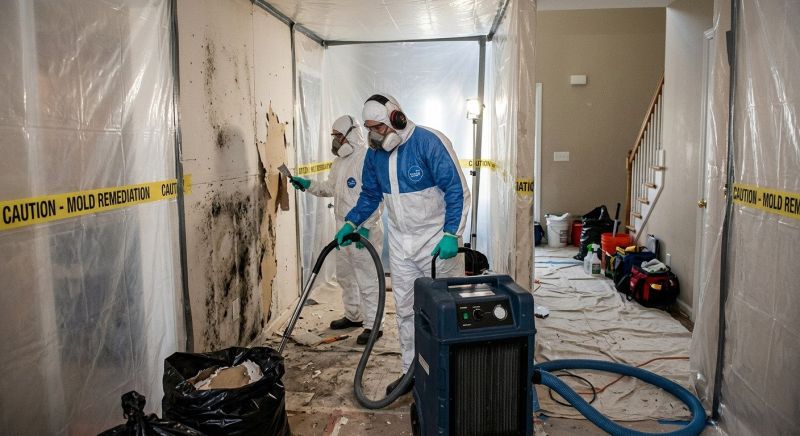
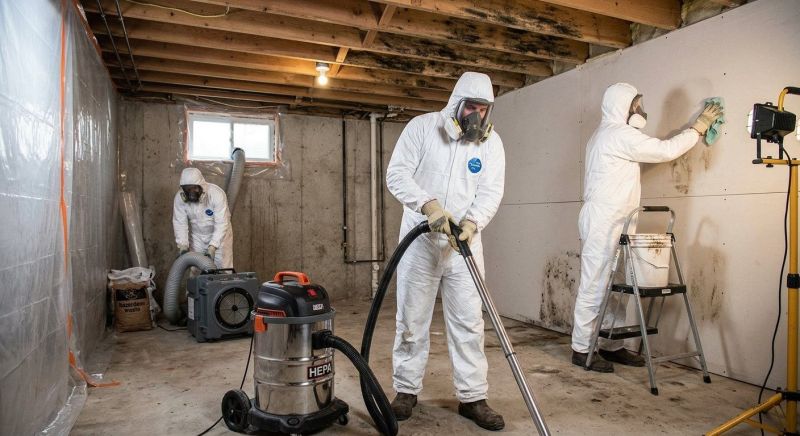
Mold Removal Solutions
Implementing effective techniques to eliminate mold and prevent future growth in dallas-area buildings.
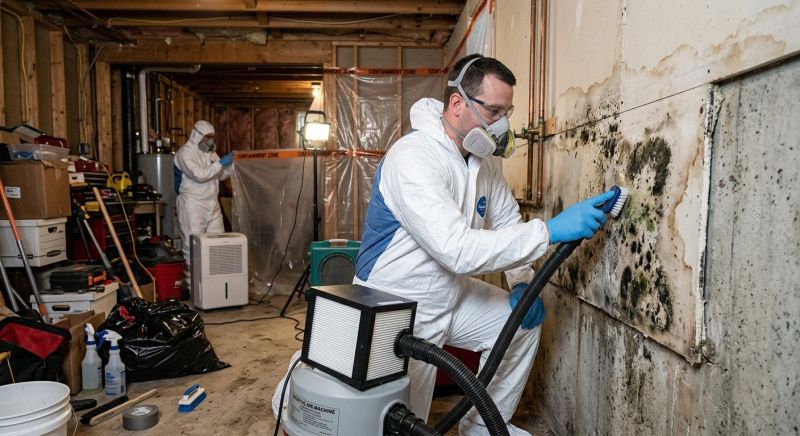
Preventive Maintenance
Providing recommendations to reduce humidity and improve ventilation to protect property health.
Mold Mitigation Service in Dallas, TX

Mold mitigation services involve identifying and removing mold growth from residential properties to improve indoor air quality and prevent potential health issues. These services typically cover a range of projects, including mold removal from walls, ceilings, basements, attics, and HVAC systems. Property owners often seek mold mitigation after discovering visible mold or experiencing musty odors, especially in areas prone to moisture buildup such as bathrooms, kitchens, or areas affected by leaks or flooding.
Before requesting mold mitigation, homeowners usually want to understand the extent of mold presence, the types of materials affected, and the potential causes of moisture that promote mold growth. It’s important to consider whether the project involves surface cleaning or requires more extensive removal and remediation of contaminated materials. Proper assessment and planning can help ensure that mold is effectively eliminated and that underlying issues are addressed to prevent future growth.
Many property owners in Dallas, TX look into Mold Mitigation Service for repairs, replacements, upgrades, and appearance-related improvements.
Common Mold Mitigation Service Jobs
Mold Removal - removal of existing mold from affected areas to improve indoor air quality.
Moisture Control - identifying and addressing sources of excess moisture that promote mold growth.
Structural Drying - drying out walls, ceilings, and floors after water intrusion to prevent mold development.
Surface Cleaning - cleaning and disinfecting surfaces to eliminate mold spores and prevent recurrence.
HVAC Mold Remediation - treating air conditioning and ventilation systems to reduce mold circulation.
Insulation Treatment - removing or treating moldy insulation to ensure a healthy indoor environment.
Mold Mitigation Service Questions
What causes mold growth in homes? Mold can develop from excess moisture, high humidity, or water leaks that create a damp environment inside the property.
How can mold affect property health? Mold can lead to allergies, respiratory issues, and other health problems if not addressed promptly.
What areas are most vulnerable to mold? Common areas include bathrooms, basements, attics, and around windows where moisture tends to accumulate.
What is the purpose of mold mitigation? Mold mitigation involves removing existing mold and reducing moisture sources to prevent future growth.
Request Mold Mitigation Service in Dallas, TX
Use the quote form on this page to share the basics of your project and request more information for the type of work you need.